Drive Thru Systems in 2026: 8 Speed & ROI Secrets
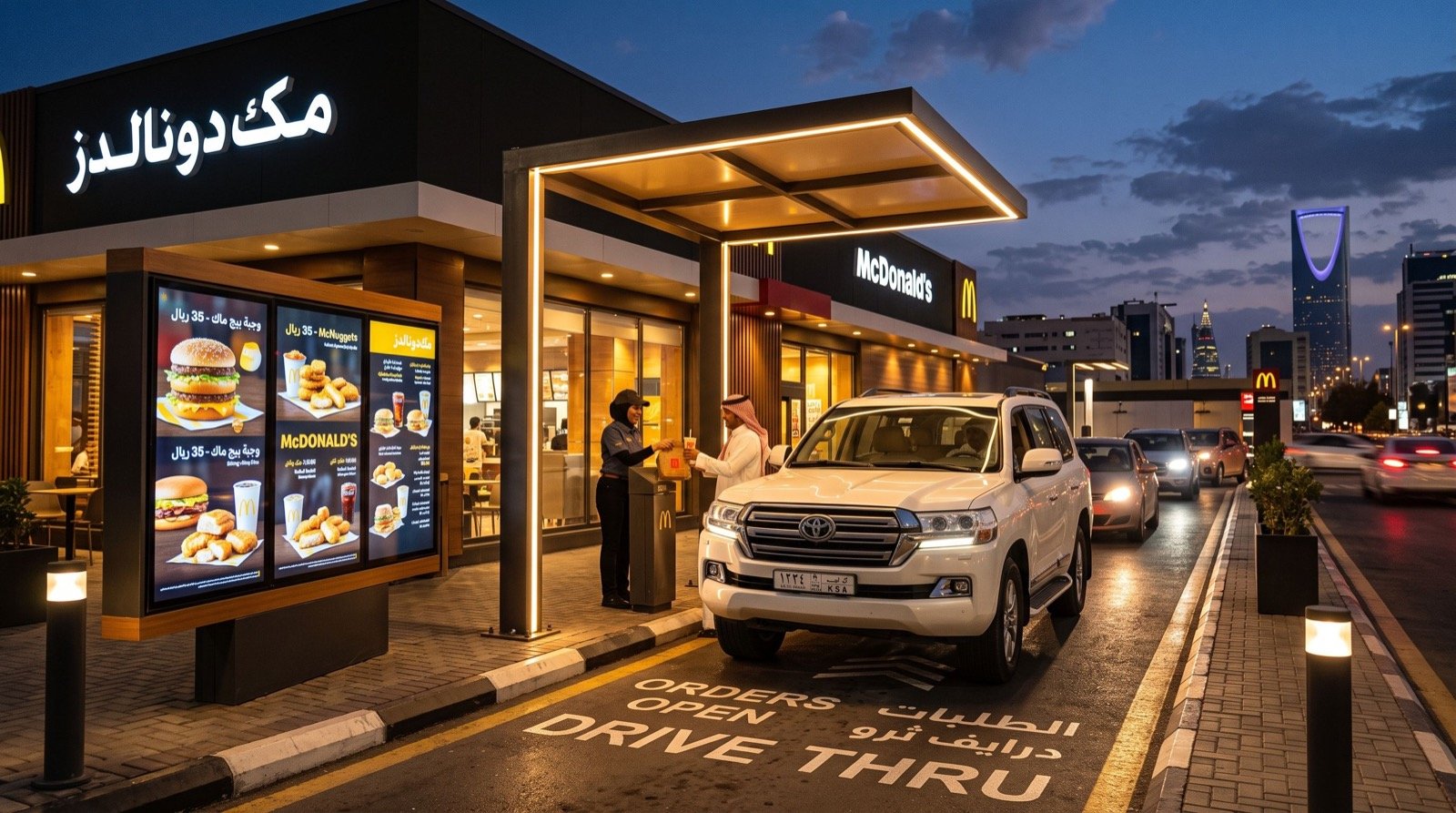
The lane outside your window is a revenue engine, and every second it stalls costs money. In 2026, modern Drive Thru Systems have moved far beyond a speaker and a menu board. They blend timers, digital displays, voice hardware, and analytics into a single tuned machine built for speed.
Whether you run a quick-service restaurant, a pharmacy, or a coffee brand, the fundamentals are the same. This guide shares eight practical secrets that separate a fast, profitable lane from a slow, frustrating one.
Why Drive Thru Systems Decide Your Peak-Hour Profit
Peak hours make or break a drive-through business. When cars back up, potential customers see the queue, keep driving, and never return that day. That lost car is pure vanished revenue, invisible on any receipt.
Speed of service is therefore not a vanity metric. It directly shapes car counts, average order value, and staff stress during the rush. Small improvements compound quickly across a day. Investing in well-designed Drive Thru Systems is how operators turn that pressure into reliable, repeatable throughput.
Industry research from the QSR Magazine drive-thru studies consistently shows that shaving even a handful of seconds per car meaningfully lifts throughput during peak windows. That is the prize worth engineering for.
What actually slows a lane down?
Most delays are not caused by slow cooking. They come from repeated orders due to poor audio, unclear menu boards, and payment steps that stall. Fix communication first, and the kitchen usually keeps up.
The 8 Secrets to a Faster, Smarter Lane
Here are the levers that move the needle most, drawn from real operators who tuned their lanes and measured the results.
- Invest in clear audio. Order accuracy starts with hardware you can hear.
- Use dynamic digital menu boards. Update pricing and promos instantly.
- Track lane timers by segment. Measure order, pay, and pickup separately.
- Deploy a second order point. Split the queue during rush hours.
- Pre-stage popular items. Data tells you what to prep before the car arrives.
- Enable mobile-order pickup lanes. Keep pre-paid cars out of the main flow.
- Confirm orders on a screen. Let customers verify before pulling forward.
- Review analytics weekly. Turn raw timer data into staffing decisions.
Adopt these in order of your biggest bottleneck. There is no need to do all eight at once; start where the timer data screams loudest.
Hardware and Security Behind the Window
A drive-through is more than a lane. It is a small operation that handles cash, staff logins, and inventory. Reliable back-office hardware keeps it honest and efficient.
Biometric login is increasingly common for clocking in and authorising voids or refunds. If you are budgeting for that, checking current Finger scanner devices prices in pakistan helps you plan accurately before you commit to a rollout.
Choosing the right installer matters as much as the gear. Partnering with quality service providers ensures cabling, network, and hardware are set up to survive years of daily peak-hour pressure.
Comparing Drive-Through Setups
Operators typically choose from three configurations. The table below shows how each performs on speed and cost in 2026.
| Setup | Peak Throughput | Order Accuracy | Investment |
|---|---|---|---|
| Single lane, basic audio | Low | Variable | Low |
| Single lane, digital + timers | Medium | Good | Moderate |
| Dual lane, full analytics | High | Excellent | Higher |
Dual-lane setups with analytics deliver the best peak-hour throughput, but many operators see strong returns simply by upgrading audio and adding timers first.
Measuring ROI the Right Way
Do not judge a drive-through upgrade on gut feel. Track a tight set of numbers before and after any change so improvements are provable.
- Cars per hour during your defined peak window.
- Average service time from order to handoff.
- Order accuracy rate measured by remakes and refunds.
- Average order value to catch upsell gains.
When these move together, you have real ROI, not a hunch. Review them weekly during the first month, then monthly once the lane stabilises.
How fast can improvements show up?
Audio and menu-board upgrades often show results within the first busy weekend, because accuracy and confidence improve immediately. Structural changes like a second lane take longer but deliver the largest long-term gains.
Staff Training and Maintenance
Even the best hardware underperforms with an untrained crew. Order-takers need coaching on mic distance, clear phrasing, and confirming items on screen. Ten minutes of practice per new hire pays off in accuracy for months.
Maintenance is the other quiet factor. Outdoor speakers, microphones, and displays face heat, dust, and constant use. A simple weekly cleaning and monthly check keeps audio crisp and prevents the slow drift into garbled orders.
Build a short pre-shift checklist into your routine. Confirm audio levels, verify the menu board shows the correct dayparts, and reset lane timers. These small rituals stop tiny faults from becoming peak-hour disasters.
Keep a spare headset and microphone on site. When a component fails mid-rush, a two-minute swap protects your busiest window instead of losing cars while you wait for a technician to arrive.
Document your setup too. A one-page guide covering audio settings, timer resets, and menu-board logins lets any shift lead recover quickly, so lane performance never depends on a single trained person being present.
How often should you review lane performance?
Review timer data weekly during your first month, then settle into a monthly cadence. Frequent early reviews expose quick wins, while the monthly rhythm keeps staffing and prep aligned with real, current demand patterns.
Frequently Asked Questions
Are Drive Thru Systems only for large chains?
No. Independent cafes and pharmacies benefit just as much. Scalable, modular options let small operators start with audio and timers and expand later.
How much space does a modern setup need?
Requirements vary, but even a single tuned lane with digital signage fits most existing footprints. A site survey confirms what your layout can support.
Do digital menu boards really increase sales?
Yes. Dynamic boards let you promote high-margin items and daypart offers instantly, which lifts average order value without adding staff.
What is the fastest single upgrade?
Clear audio hardware. Better sound cuts repeated orders and misheard items, which speeds every car and improves accuracy at the same time.
Upgrading Your Lane in 2026
The drive-through is often a brand’s busiest, most profitable channel, yet it is frequently the least optimised. Well-designed Drive Thru Systems fix that by combining clear communication, smart signage, secure back-office hardware, and honest analytics.
Start with your worst bottleneck, measure the change, and reinvest the gains. A lane tuned for speed and accuracy pays for itself in recovered cars and happier regulars. Talk to a specialist this quarter, run a timer audit, and turn your busiest hour into your most profitable one.